


7 Key Mistakes to Avoid After a Motorcycle Accident
You may feel shaken or angry after a motorcycle crash. That is completely normal because a violent impact can scramble your thoughts in seconds.
The National Safety Council (NSC) found that deaths in motorcycle accidents have increased by 24% over the last 10 years. This is because motorcycles have less protection, so there’s more direct force on your body. In fact, even low-speed crashes can leave you with some serious injuries.
But that’s not the only problem. Adrenaline also lies to you. It can hide your pain for hours. You may stand up, talk, and even walk. However, you will wake up later with crushing neck pain, dizziness, or numbness in your arms and legs.
Moreover, riders also face bias. Too many drivers, police officers, and insurance adjusters assume the motorcyclist caused the crash. They look at the bike first and the facts second. That bias can hurt your claim before you even understand what happened.
However, this guide covers 7 things you should never do after a motorcycle accident. This way, you can protect your health, your legal rights, and your injury claim.

1. Why Should You Never Leave a Crash Scene?
You should not leave the crash scene because it can trigger hit-and-run problems. In the long run, it can affect the credibility of your motorcycle accident claim.
So, stay on the site and call 911.
In New York, leaving the scene can create serious legal trouble even when you did not cause the crash. This mistake gives the other side a weapon. They will say you fled because you knew you were at fault. That can be a fault in your case, but they will still use it.
Also, you need an NYPD collision report. Police reports for accidents are often among the first documents insurers review. It identifies:
- The drivers
- The location
- The time
- Visible injuries
- Vehicle damage
- Witness name
- Early observations about how the crash happened
It can be really problematic if you don’t have that report, because it gives the other driver room to rewrite the story. Also, their insurer will gladly help.
This matters even more in busy parts of the city. In Queens, Brooklyn, the Bronx, and Staten Island, traffic moves fast, and witnesses vanish quickly. A crash scene can be cleared in minutes. Skid marks fade, debris gets swept away, and cameras overwrite footage.
That said, some riders panic for other reasons. You may be undocumented. You may be self-employed. You may worry about losing a delivery route, a cash job, or a day’s income. That fear is real. But leaving makes things worse. If you ride away, you lose the protection you may need later for medical bills, lost wages, and pain and suffering.
2. Why Should You Never Say “I’m Sorry” or “I’m Fine”?
You should never say that you are sorry or that you are fine because those words can be twisted into admissions of fault or proof that you were not really hurt.
This is one of the most impactful things not to do after a motorcycle crash. It is really important to speak with care. These are some of the common things riders say after an accident:
- I’m sorry
- I didn’t see him
- I’m okay
- I’m fine
These minor statements sound harmless, but they are not.
“I’m sorry” can sound like an apology for causing the crash. On the other hand, “I’m fine” can sound like a statement that you were not injured. The insurance company can use both. They want words they can quote back to you later.
Understandably, you do not know the full picture at the scene. You may not know the driver was at fault. Maybe they were texting, and a camera caught the whole crash. It is also possible that a road defect, a bad turn, or a dooring incident set everything in motion. So, do not accept blame before you know all the facts.
Moreover, it is also not a good idea to downplay your condition. Adrenaline can mask pain, confusion, and even major trauma. Riders with concussions often insist they are okay. Riders with fractures often think they are “just sore.” Those with internal injuries may not feel the danger until much later.
Use simple words instead.
Say this: “I am injured and need medical attention.”
That response protects you in two ways. First, it avoids any hint that you accept blame. Second, it creates a clear record that you reported an injury from the start.
Keep it short. Give the police the basic facts, and do not debate fault at the curb.
3. Why Should You Never Refuse Medical Transport?
You should never refuse medical transport because refusal creates a record the insurer will use to say your injuries were minor or unrelated.
So, let EMS check you. Go with them if they recommend transport.
This is one of the biggest mistakes riders make. You may refuse the ambulance because you want to get home. Some riders also think they can sleep it off. That is understandable, but it is still dangerous.
The insurer loves an ambulance refusal.
They will point to that record and say, “If he was really hurt, he would have gone.” They will use it to question every later complaint, from back pain to headaches to missed work. That argument is unfair, but it is also common.
Motorcycle crashes often cause injuries that get worse over time. These are some motorcycle accident injuries that do not explode with pain right away:
- Brain injuries
- Neck injuries
- Soft tissue damage
- Internal damage
- Joint trauma
Therefore, you should get medical care after a motorcycle crash. In NYC, trusted options may include facilities like NYU Langone Brooklyn or Staten Island University Hospital. However, it depends exactly where the crash happened.
In short, do not let money fear make this call for you. Untreated injuries cost more later. Much more. A missed brain injury can change your life. A delayed spinal diagnosis can leave you out of work for months. One ambulance bill feels scary now, but lifelong pain feels worse later.
4. Why Should You Never Post About the Accident on Social Media?
You should never post about the accident on social media because insurers and defense lawyers can pull those posts out of context and use them against you.
In fact, a photo of you standing next to your bike can become “proof” you were not badly hurt. A video of you walking into a bar three days later can become “proof” that your leg injury is exaggerated. A smiling picture at a family event can become “proof” you are not in pain.
This sounds dishonest, but this is how insurers do it. They do not need the full truth. Instead, they only need one image they can wave around during negotiations.
So, you should do this right away:
- Set your accounts to private
- Stop posting about the crash
- Ask friends not to tag you
- Ask family not to post photos of you
- Do not comment about fault, pain, treatment, or the claim
- Do not delete old posts without legal advice for motorcycle accidents.
That last point matters. It is one of the most important things not to do after a motorcycle crash. Deleting content after a claim starts can create a different fight about missing evidence, so talk to a lawyer first.
Simply put, silence is your friend here. Stay off social media until your case is under control.
5. Why Should You Never Talk to the Other Driver’s Insurance Company Without a Lawyer?
You should never talk to the other driver’s insurance company without a lawyer because the adjuster wants a cheap statement, a cheap settlement, and a cheap end to your case.
This is one of the most common mistakes to avoid after a motorcycle accident. At first, the adjuster may sound kind. They may say things like “they are on your side.” Even many companies act like the call is routine. But it is not; it is a strategy for them.
Also, many insurers will want to lock you into an early version of events before you know your injuries. If you misspeak, guess, or soften your pain, they will use those words later to cut your claim down.
Recorded statements also freeze your words. Then, they compare every later detail against that first call. If your symptoms grow, they say you changed your story. If you say “I think” or “maybe,” they say you are unsure. If you say, “I didn’t see the car,” they twist it into inattention.
This should be your clear response: “I am represented by counsel. Call my lawyer.”
If you do not have counsel, say you are not giving a statement at this time. Then get expert legal advice for motorcycle accidents. Unsure where to find experienced legal help? Call (718) 275-7779 to get in touch with Cohen & Cohen Law Group for a free case evaluation.
6. Why Should You Never Sign Anything From Your Own Insurance Company Without Legal Review?
You should never sign anything from your own insurance company without legal review because broad forms can give them access to records and rights they should not have.
Many riders think their own insurer is on their side. That is a mistake. Your insurer may owe coverage under certain parts of your policy. But that does not mean they want to pay full value without a fight.
They may send forms that look routine. They may call them standard paperwork. Hidden inside may be broad medical authorizations or recorded statement requests. Also, settlement language or document releases that reach far beyond the crash.
These are some tactics an insurance company uses:
- They want old back pain or an old ER visit they can blame instead of the crash.
- They may pressure you to sign fast.
- They may also trick you by saying it is just paperwork.
- They will say that these benefits will move faster if you sign
First of all, you should take a breath, slow down, and consult a motorcycle accident lawyer to review every document first. Even a single signature can damage the entire motorcycle accident claim.
7. Why Should You Never Wait to See a Doctor?
You should never wait to see a doctor because delay gives the insurer a ready-made argument that something else caused your injuries.
So, you should get checked within 48 hours. Sooner is better.
This rule applies even if you refused transport. It applies even if you think the pain is minor. It applies even if all you feel is stiffness, a headache, dizziness, tingling, or neck pain. Those small symptoms usually point to larger injuries.
Insurers attack treatment gaps. Suppose you wait days or weeks for a medical checkup. Then, insurers will argue the injury came from work, the gym, a prior condition, or daily life. They will say the crash was not serious enough to hurt you. Their argument will be that you made it worse by waiting.
However, you can avoid this. A quick visit creates a medical timeline. It shows symptoms began after the crash. It gives you the following factors that also help support your personal injury claim:
- Imaging
- Physician notes
- Diagnoses
- Referrals
- Follow-up plans
- Schedules
Medical care after a motorcycle crash protects both your health and your claim. Therefore, see a doctor fast. Follow the treatment plan, and keep every appointment.
What Else Should You Avoid Doing After a Motorcycle Accident?
You should also avoid repairing your motorcycle too soon, assuming fault, and waiting too long to call a lawyer.
Here’s what not to do after a motorcycle accident:
Do not Repair Your Motorcycle Immediately
Your bike is evidence. The damage pattern on your bike tells the story of the crash. It can show:
- The angle of impact
- The force of the collision
- The sequence of events.
This information proves what happened. If you repair the bike, you destroy that evidence forever. The insurance company will use this against you. Protect your motorcycle accident claim, and leave the motorcycle as it is.
Do Not Assume Fault
New York follows comparative negligence rules. That means fault can be shared. Even if you carry part of the blame, you may still recover damages. But it can be really problematic if you say the crash was all your fault before the evidence review. You might be handing the other side an advantage they do not deserve.
Do Not Delay Contacting a Lawyer
Delay is your enemy. Surveillance footage can disappear, witness memory can fade, and vehicle data gets lost. The sooner you get legal advice for motorcycle accidents, the better your chance to preserve proof. You should always move quickly because the other side is doing the same.
Do Not Ignore Evidence at the Crash Scene
You should never ignore evidence at the crash scene because what disappears in the first hour may never come back. So, take photos of:
- Your bike
- The other vehicle
- Plate numbers
- Road debris
- Traffic lights and signs
- Skid marks
- Intersections
- Weather conditions
- Your injuries
- Your helmet and riding gear
Also, get names and numbers for witnesses. Ask nearby businesses if they have cameras. Note exactly where the crash happened.
Do Not Accept a Quick Settlement Offer
You should never accept a quick settlement offer because early money usually means cheap money. The first offer is often a lowball settlement.
This is another one of the common mistakes to avoid after a motorcycle accident. Insurers know you are scared about rent, bills, and missed work. They use that pressure and send a fast check because they want your release before the full cost of the injury appears.
Remember, you still need imaging, surgery, physical therapy, neurological care, orthopaedic care, or time off work. You may not yet know if the injury will affect your job, your sleep, your mobility, or your future treatment. And if you sign, the claim can end forever.
Do Not Let Cultural Barriers Stop You from Seeking Care
You should never let cultural barriers stop you from seeking care because delay harms your health and gives insurers room to attack your case.
Some riders hesitate because they do not trust the system. Some come from communities where people avoid hospitals unless the injury feels extreme. Some worry they will not be understood. Others fear judgment. Some fear paperwork more than pain.
If language keeps you from speaking clearly to doctors, police, or insurers, the risk grows. Misunderstood symptoms can lead to bad records, which can hurt treatment and compensation.
Get help from people who can communicate with you clearly. Cohen & Cohen works with clients from many backgrounds and offers support in multiple languages, including Spanish and Russian. You should never have to choose between being understood and being protected.
Do Not Let Financial Barriers Stop You from Seeking Care
You should never let financial barriers stop you from seeking care because untreated injuries become more expensive, more painful, and harder to treat.
Many riders refuse transport or medical care after a motorcycle crash because they fear the bill. That is common in NYC. It is also exactly what insurers want. When you wait, they get an opening to say the crash did not hurt you much. However, you do not save money by ignoring real trauma. You often create a larger financial hit later.
Why Does the Local NYC Context Matter After a Motorcycle Accident?
Local NYC context matters because city traffic patterns, roadway hazards, and borough-specific realities shape both the crash and the claim.
New York is not an ordinary traffic environment. For instance, Queens has dense intersections, delivery traffic, and constant lane pressure. The Bronx has heavy commercial flow and aggressive merges. Staten Island mixes local streets with fast-moving expressway traffic. Brooklyn and Manhattan bring rideshares, taxis, buses, construction zones, and dooring risks.
These details matter.
An insurer may try to blame “city riding” in general. That is lazy and self-serving. The real question is what happened in this crash, on this street, at this moment. A local legal team understands the roads, boroughs, agencies, hospitals, and common defense tactics in NYC motorcycle cases.
Why Should You Never Handle a Motorcycle Accident Claim Alone?
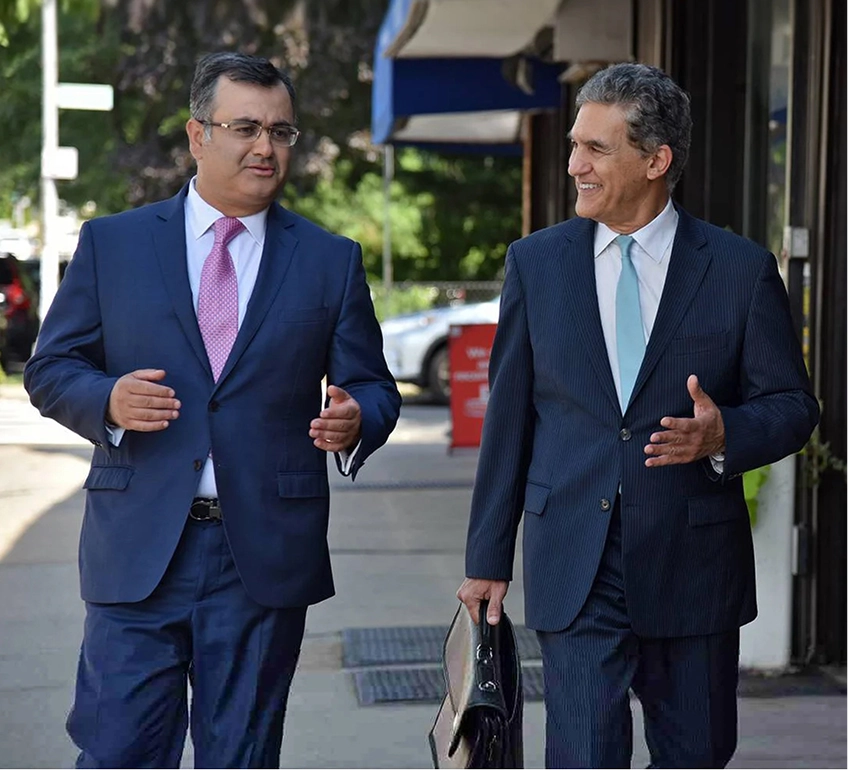
You should never handle a motorcycle accident claim alone because the insurer has a system built to shrink your case from the first day.
Motorcycle claims are often harder than car claims. The injuries are worse, the bias is stronger, and the evidence disappears fast. The adjusters push hard, and the paperwork grows while you are still trying to heal.
That is exactly when mistakes happen.
At Cohen & Cohen, we help injured New Yorkers protect their claim before the insurance company defines it for them. Our team brings more than 100 years of combined experience. We offer free consultations, 24/7 availability, and no fee unless we win. If your injuries make travel hard, we can discuss options for home or hospital consultations.
So, call (718) 275-7779 right now to get clear help.